
Local Experts Identify Five Common Fungal Diseases Threatening Residential Lawns
Columbia, United States - January 16, 2026 / Sparta Lawn Care /
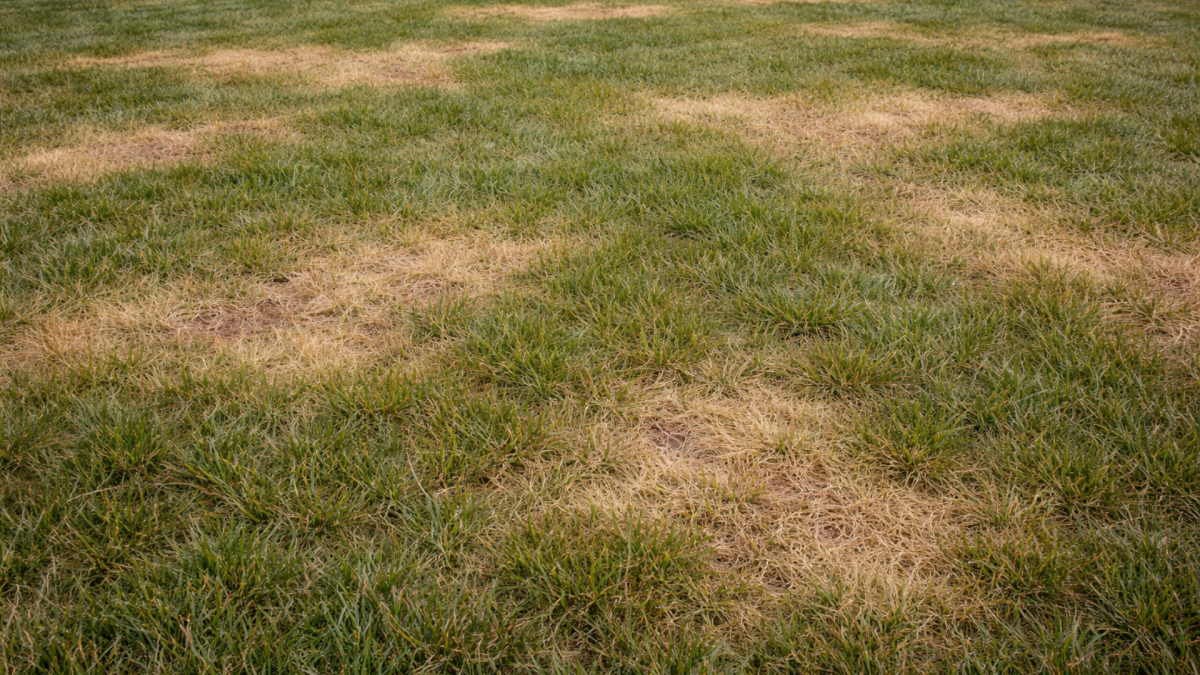
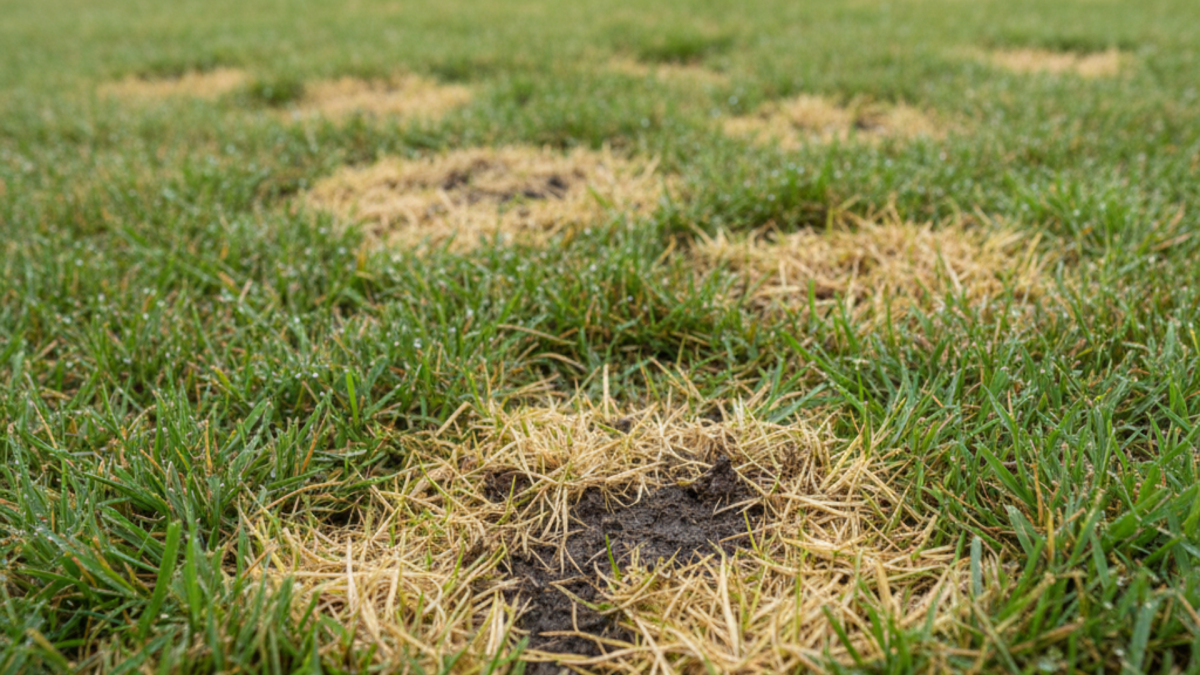
Homeowners throughout the Columbia region regularly encounter lawn diseases that can transform healthy turf into patchy, discolored areas within days. South Carolina's combination of warm temperatures, high humidity, and frequent summer storms creates conditions where fungal diseases thrive. Sparta Lawn Care has released detailed information about common lawn diseases in South Carolina and treatment options to help property owners understand what they're seeing and how to respond. The educational resource addresses the most frequently encountered diseases, including brown patch, large patch, dollar spot, gray leaf spot, and pythium blight. Each disease presents distinctive symptoms and requires specific management approaches based on timing, grass type, and environmental conditions.
What Makes South Carolina Lawns More Vulnerable to Disease
The Midlands region experiences an extended growing season for warm-season grasses, typically spanning eight months of active growth. This prolonged period creates extended vulnerability to diseases that remain dormant in cooler climates. Summer temperatures regularly exceed 90°F while humidity levels stay above 70%, providing ideal conditions for fungal development and spread.
Clay-heavy soil composition throughout Columbia, Blythewood, Irmo, and surrounding areas compounds the problem. These soils hold moisture longer than sandy compositions, creating the damp conditions many fungal diseases need for establishment. When combined with afternoon thunderstorms common during summer months, the result is an environment where diseases can establish quickly and spread rapidly across residential properties.
Many homeowners misidentify disease symptoms as drought stress or nutrient deficiency. Brown patch disease creates circular areas with distinctive smoke ring margins, while dollar spot produces small tan spots that merge into larger patches. Pythium blight develops explosively during the hottest periods, potentially destroying large lawn areas within 24 to 48 hours. Without accurate identification, treatment efforts often address the wrong problem, wasting time and resources while diseases continue spreading.
The timing of disease activity varies by type. Brown patch and dollar spot become active during moderate temperature periods in late spring and early fall. Large patch appears during cool, wet conditions in fall, winter, and early spring. Gray leaf spot strikes during peak summer heat and humidity. Understanding these patterns helps property owners recognize when their lawns face greatest vulnerability.
How Professional Services Address Fungal Disease Problems
Sparta Lawn Care addresses fungal diseases through multiple service approaches. Lawn disease treatment: Services provide targeted fungicide applications based on accurate identification of specific diseases. Treatment timing matters significantly, as early intervention prevents spreading and protects healthy grass during active infection periods.
Lawn fertilization: Programs maintain adequate nitrogen levels that help grass resist infection without encouraging excessive soft growth that diseases exploit. Balanced nutrition strengthens grass plants through strong root development and proper density. Application timing avoids heavy nitrogen during disease-prone periods in late spring and early fall when conditions favor fungal development.
Aeration: Services improve drainage, reduce soil compaction, and control thatch buildup. These improvements create conditions unfavorable for most lawn diseases while strengthening grass plants. Annual core aeration allows water and nutrients to reach root zones more effectively, supporting natural disease resistance through vigorous growth.
Weed control: Services complement disease management by reducing competition for nutrients and water. Healthy, dense turf resists both weed invasion and disease establishment more effectively than thin, stressed lawns. Overseeding: Damaged areas helps recovery after disease outbreaks, particularly for cool-season grasses that can be reseeded during their active growth periods.
Plant and tree disease treatment: Addresses fungal infections affecting landscape plants, while plant and tree trimming and pruning: Improves air circulation that reduces humidity around grass plants. Better air movement helps grass blades dry quickly after rainfall or irrigation, limiting the prolonged leaf wetness many diseases require.
Prevention Strategies Prove More Effective Than Reactive Treatment
Effective disease management focuses on prevention rather than reactive treatment. The business emphasizes lawn care practices that create unfavorable conditions for fungal development. Deep but infrequent watering in early morning hours prevents prolonged leaf wetness. Proper mowing height reduces stress on grass plants, making them less susceptible to infection. Sharp mower blades create clean cuts that heal quickly rather than ragged tears that invite diseases.
Soil testing provides essential information about pH levels and nutrient availability. Most grass types perform best in soil with pH between 6.0 and 7.0. When pH falls outside this range, grass struggles to absorb nutrients even when adequate fertilizer is applied. Testing eliminates guesswork about amendment needs and prevents problems before they develop.
Professional diagnosis matters particularly for aggressive diseases like pythium blight. Misidentification leads to wrong products that waste time while disease spreads. Sparta Lawn Care uses professional-grade fungicides and application equipment that eliminate diseases faster and more completely than consumer products. Accurate identification combined with targeted treatment approaches addresses both immediate symptoms and underlying conditions allowing diseases to establish.
Different Seasons Bring Different Disease Threats to Columbia Lawns
Different grass types face different vulnerabilities throughout the year. Warm-season grasses like Bermuda and Zoysia enter dormancy during winter, eliminating their susceptibility to active growth diseases during cold months. Cool-season grasses like tall fescue remain actively growing throughout winter, requiring different management approaches. Property owners benefit from understanding which diseases threaten their specific grass type during each season.
Professional lawn disease treatment services in Columbia adapt approaches based on grass type, current weather conditions, and disease history for individual properties. Properties with recurring disease problems often have underlying issues with drainage, excessive shade, or lawn care practices that need correction. Addressing root causes prevents the cycle of annual reinfection that frustrates many homeowners.
Timing of preventative applications significantly impacts their effectiveness. Fungicides applied before disease symptoms appear provide better protection than reactive treatments after infection establishes. For diseases with predictable seasonal patterns, preventative programs offer more cost-effective management than repeated treatments.
Building Disease Resistance Through Comprehensive Lawn Health
The business approaches disease management as part of comprehensive lawn health rather than isolated problem-solving. Healthy lawns resist disease naturally through strong root systems, adequate nutrition, and proper density. Services work together to build and maintain these foundational characteristics rather than simply responding to visible problems.
Communication with property owners includes education about realistic expectations and maintenance requirements. Trusted lawn care professionals serving the Columbia region help homeowners understand what their specific properties need based on grass type, soil conditions, shade levels, and usage patterns. Clear explanations help property owners make informed decisions about service levels and understand the reasoning behind recommended treatments.
Attention to detail during routine maintenance visits allows early detection of developing problems. Trained technicians recognize subtle changes in grass color, texture, or growth patterns that indicate emerging disease pressure. Early intervention prevents minor issues from becoming major renovations.
Accessing Expert Guidance on Lawn Disease Management
Homeowners facing lawn disease concerns can access educational information covering identification, causes, and treatment approaches for common fungal diseases. The information helps property owners understand what they're observing and make informed decisions about professional intervention.
Property owners seeking guidance about disease management or other lawn care concerns can contact Sparta Lawn Care for property-specific information. Understanding regional disease patterns and proven management approaches helps homeowners protect their lawn investments and maintain the curb appeal that matters to property value.

Contact Information:
Sparta Lawn Care
8612 Wilson Blvd
Columbia, SC 29203
United States
Contact Sparta Lawn Care
(803) 884-9730
https://lawncarecolumbia.com/


Original Source: https://lawncarecolumbia.com/media-room/

