
Settling on the Georgia Coast: Overlooked Moving Strategies
Alpharetta, United States - January 13, 2026 / Moving Service Marketing Company /
Moving to Georgia’s coastal communities introduces environmental and logistical details that many people might not expect. Shoreline towns often bring changing weather, homes shaped around narrow roadways, and neighborhoods built close to waterways and marshlands. Relocating here can feel different from inland suburbs, and even simple parts of moving, like parking, scheduling, and packing, can shift when the ocean and tidal patterns are part of daily life. Learning what to plan for early helps avoid unexpected costs or delays and sets the stage for a smoother transition. This guide shares practical tips that newcomers often overlook so they can get settled and enjoy life along the coast sooner.

Exploring Georgia's Coastal Areas
Georgia’s coastline stretches roughly 100 miles and includes distinct regions with different personalities, housing choices, and lifestyles. From Savannah’s historic streets to Tybee Island’s relaxed shoreline, each coastal community offers something unique, which means research plays a large role in choosing the right place to live.
Savannah is one of the best-known communities. Its historic layout, preserved architecture, and well-kept parks blend old character with modern amenities. The city has about 145,000 residents, which helps create a comfortable balance between convenience and pace. Cultural attractions, festivals, and a growing food scene give Savannah a lively rhythm, yet it remains easier to navigate than larger metropolitan areas.
Farther down the coast, Brunswick offers a slower pace without feeling isolated. The town’s Victorian homes and preserved historic districts reflect deep roots, while access to the Golden Isles makes nature and recreational areas close by. With around 16,000 residents, Brunswick feels more intimate than Savannah. Many residents find comfort in living in a place where neighbors are familiar and the town remains manageable year-round.
Different island communities add even more variety. St. Simons Island has become a favorite for people seeking outdoor recreation as part of their daily lifestyle. Golf courses, marinas, bike paths, and waterfront parks play a central role in local activity. St. Simons combines these features with well-developed commercial areas and attractive housing options, making it feel upscale without being crowded.
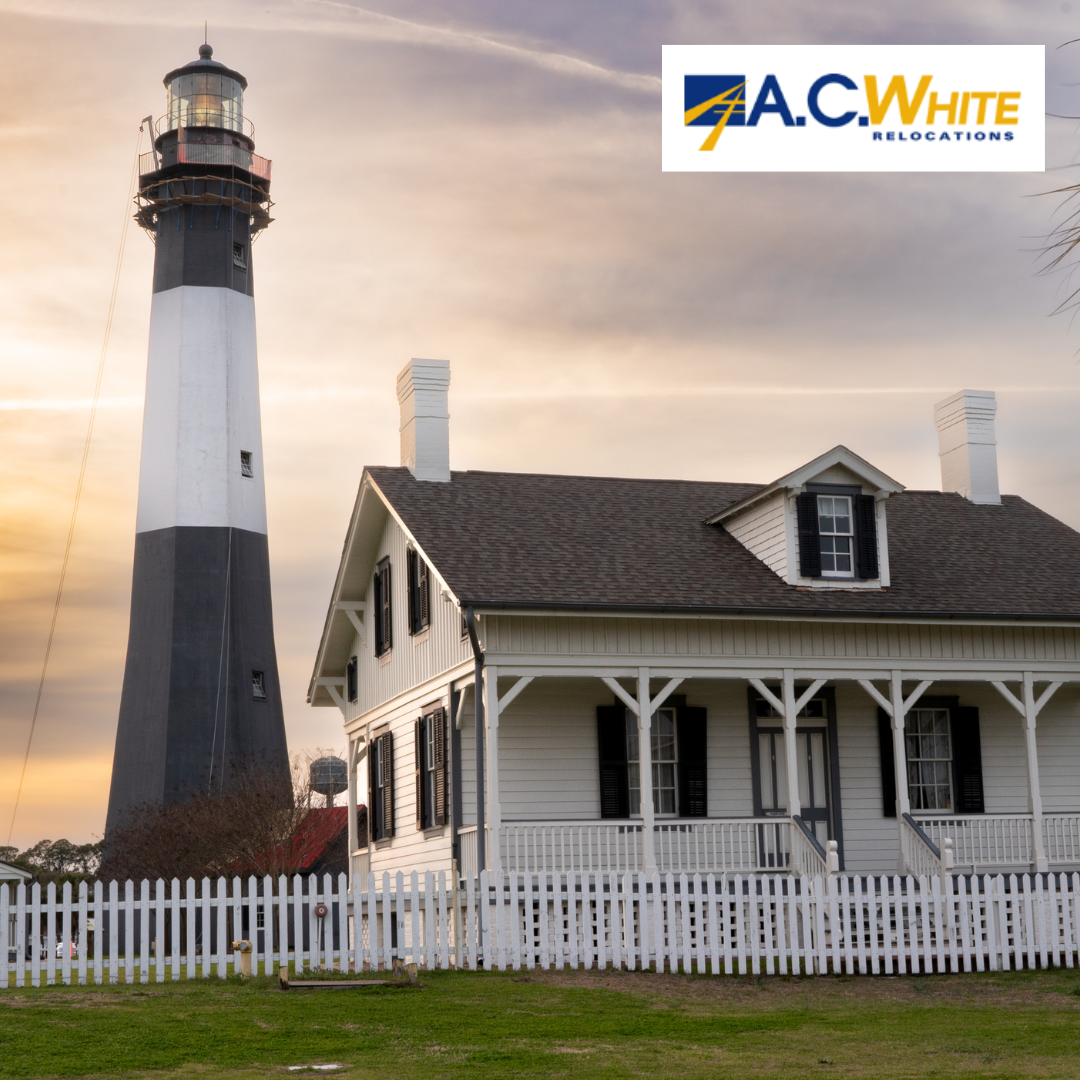
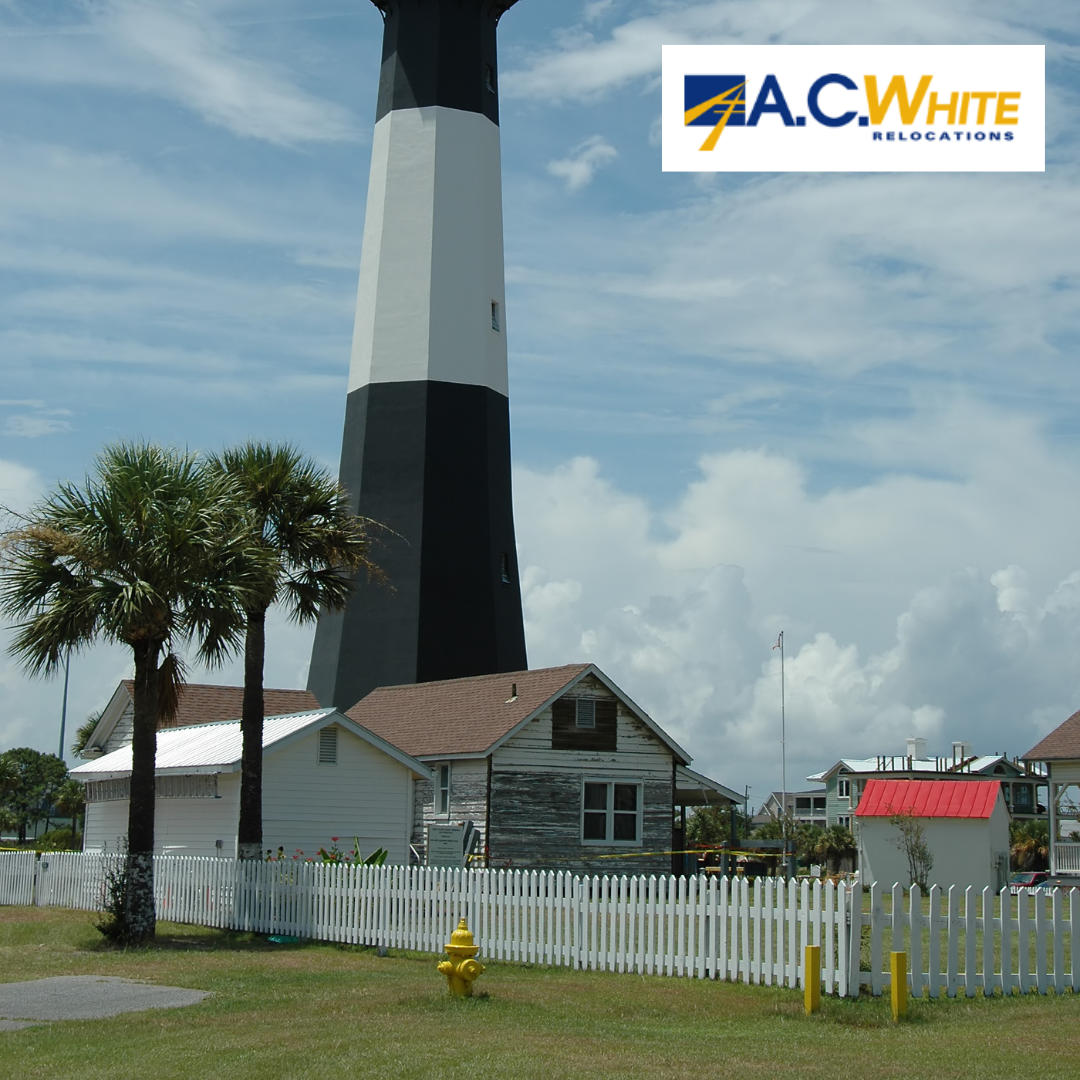
Tybee Island presents a simpler and more relaxed setting. With a smaller scale and quiet streets, it appeals to those looking for a traditional beach-town atmosphere. Its position close to Savannah means residents can access a major city while living in a low-key coastal environment. That combination delivers both convenience and escape in one place.
These contrasts among Savannah, Brunswick, St. Simons Island, and Tybee Island show how different the lifestyles can be across the same region. Census data highlights this further with population sizes ranging from small-island communities to thriving cities. Homebuyers and renters should weigh how these population differences affect available services, community involvement, and housing choices.
People planning to move often benefit from visiting during multiple seasons, since tourism levels, traffic, and weather shift throughout the year. It is also helpful to examine commute needs, school access, proximity to waterways, and weekend activity options. Selecting the right coastal town sets the foundation for a move that fits long-term lifestyle needs.
Budgeting and Financial Considerations
A move to the coast involves more planning than simply choosing a home. Costs before, during, and after a relocation can add up, so taking time to build an accurate budget is an important step. Since Georgia’s coastal region has wide variation in housing and living costs, understanding how expenses differ from inland areas helps prevent surprises.
Cost of living figures paint a useful starting picture. Savannah’s cost of living averages about 8 percent lower than the national average, but that number changes quickly as one approaches premium or island communities. For example, groceries, restaurants, entertainment, and healthcare often become more expensive on St. Simons or Tybee Island due to tourism, scarcity of land, and local demand.
Housing cost differences are especially noticeable. Zillow data places the median home price in Savannah near $260,000, which makes the city appealing for many working households. St. Simons Island, on the other hand, typically sees median prices above $500,000, reflecting its limited space and high demand for waterfront living. Renters encounter similar trends, with prices climbing near beaches and dropping inland.
Property taxes, insurance, and fees also change based on location. Homes in communities that face higher potential exposure to storms or tidal flooding may require additional insurance coverage. Flood insurance, in particular, is often mandatory and can add a significant cost depending on elevation and flood-zone designation.
Day-to-day expenses deserve attention as well. Coastal homes rely heavily on cooling systems for much of the year, so electricity bills can run higher. Typical utility expenses may range from around $150 to $250 per month depending on home size and energy habits. Internet, water, waste services, and streaming subscriptions contribute more to the monthly total. Some gated or planned communities also require homeowners association or amenity fees, which can be small or substantial depending on included features such as pools, clubhouses, walking trails, or private security.
Studying these costs ahead of time and leaving room in the budget for seasonal shifts helps reduce financial stress once a family moves in. Once budgeting is understood, the climate becomes the next part of coastal life that requires attention.
Adapting to Coastal Climate
Georgia’s coast experiences a warm and humid climate most of the year. Summer temperatures often reach the upper 80s or 90s, and the moisture in the air can be persistent. New residents may need time to adjust to the heat, particularly if moving from cooler or drier locations. Homes and belongings must adapt as well.
Air conditioning is a necessity. Systems often run continuously through the hottest months, so choosing a home with an updated or well-maintained HVAC system helps avoid repairs or high utility bills. Dehumidifiers are also common tools for managing indoor moisture. These appliances lessen the risk of mold, rust, or warped wood flooring and furniture by removing excess humidity from the air.
Storm preparedness requires additional planning. The region occasionally faces tropical storms and hurricanes, and NOAA data notes that a serious storm affects the area roughly every two to three years. Residents benefit from familiarizing themselves with FEMA flood maps to understand how storm surge or tidal flooding could affect a property.
Insurance also plays a major role. Standard homeowners insurance usually does not cover flood damage, so most coastal residents need separate flood insurance. Some insurers may also recommend or require higher coverage for wind damage, depending on distance from the shoreline.
Physical preparation helps protect property during weather events. Many homes use storm shutters or reinforced windows to safeguard from flying debris. Regular yard care, such as trimming trees and clearing gutters, reduces damage risk during wind and rain. Knowing evacuation routes, stocking emergency supplies, and having a communication plan are smart steps that support peace of mind when storm season arrives.
Planning for heat, humidity, and severe weather ensures residents know what to expect and can prepare their homes to handle the coastal climate throughout the year.
Packing and Moving Tips
Moving efficiently requires planning, organization, and familiarity with the coastal lifestyle awaiting at the destination. Creating a written checklist helps guide the process from the early planning steps to final arrival.
Key parts of a checklist include notifying utility companies, forwarding mail through the postal service, updating official addresses, and scheduling movers well in advance. Booking a licensed and insured moving company early ensures availability and reduces stress closer to moving day.
Packing successfully depends on having the right materials and packing methods. Strong moving boxes protect items during travel, especially fragile objects. Bubble wrap and packing paper prevent breakage, and adding padding inside boxes helps reduce shifting. Labeling boxes by room and contents makes unpacking smoother. Color-coded labels or stickers can save even more time once the home is ready to be organized.
Movers recommend that families keep important documents, medication, chargers, and daily necessities with them rather than inside the moving truck. This prevents delays or stress upon arrival, especially if shipments are delayed or a family reaches the home ahead of the moving truck.
Preparing for moving day includes checking that pathways are clear, confirming schedules, and ensuring parking access for moving vehicles. Coastal neighborhoods sometimes have narrow driveways, shared roadways, or parking restrictions, so verifying that a moving truck can park legally and safely is helpful to prevent last-minute complications.
Following these steps supports a calmer and more structured relocation that puts the focus on settling into the new environment rather than dealing with packing challenges.
Choosing the Right Community
Finding the right community is more than simply choosing a property. It involves studying neighborhoods and determining whether the culture, infrastructure, and amenities align with what a family needs now and later.
Amenities are a significant part of that decision. Parks, libraries, gyms, walkable business districts, and grocery options all contribute to daily convenience. Dining and cultural venues support recreation and entertainment, which become increasingly important once the settling-in phase passes. Some people prefer access to beaches or marinas, while others value larger shopping centers or medical facilities.
Families with children should take time to evaluate school districts. Data sources such as state education reports and school-ranking sites can provide helpful insight. Considering location relative to extracurricular programs, after-school care, or community sports leagues may help narrow choices as well. Strong school systems often contribute to long-term property value stability.
Commuting patterns deserve attention too. Traffic near Savannah, Brunswick, and the islands varies by season. A short distance can take longer than expected during peak tourism weeks. Some families prioritize short commutes, while others decide that longer travel is acceptable if balanced with better homes or amenities.
Communities also differ in their social rhythm. Some neighborhoods maintain active homeowner associations, seasonal events, weekend markets, or volunteer programs. Others are quieter and better suited for residents who prefer privacy or limited interaction. Matching this environment with lifestyle preferences helps prevent relocation regret.
Evaluating amenities, schools, accessibility, traffic patterns, and cultural pace creates a complete picture of what daily life in a community will feel like once the move is complete.
Settling In as a New Resident
The final stage of relocation involves adjusting to the new community and learning how to make the most of what the area offers. Exploring the neighborhood by walking or driving helps residents understand where essential services are located and what areas they will likely visit most often.
Setting up state and local documentation early prevents issues later. Residents must update driver’s licenses and vehicle registrations through the Georgia Department of Motor Vehicles, and utility accounts should be established or transferred before arrival to ensure the home has running power, water, and internet.
Meeting neighbors and connecting with others can help new residents gain confidence in a new environment. Simple steps like greeting nearby residents, attending community gatherings, and joining local activity groups help build relationships. Taking part in clubs, volunteering, or browsing community calendars provides opportunities to meet residents with shared interests.
With time, routines develop and coastal living becomes more familiar. Knowing where to exercise, shop, or relax turns a new place into a comfortable home.
Relocating to Georgia’s coastal region blends practical planning with lifestyle adjustment. From choosing the right city or island to preparing for humid summers and storm seasons, each step contributes to a smoother transition. Understanding budget realities, evaluating housing needs, organizing a thoughtful move, and engaging with new neighbors help families settle confidently into their new surroundings. A clear plan helps new arrivals focus less on unexpected challenges and more on enjoying the benefits of living along Georgia’s shoreline.
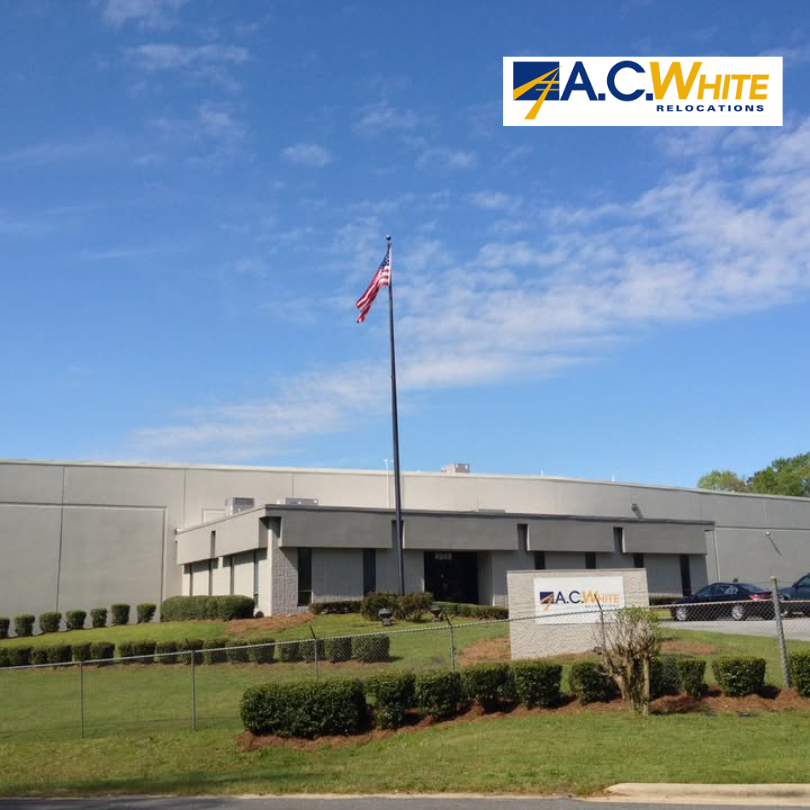
Why A.C. White Relocations Is a Trusted Pick for Georgia Coastal Moves
A coastal move in Georgia benefits from a team that understands shoreline access, weather considerations, and the timing required for an orderly relocation. A.C. White Relocations brings that experience through structured planning, secure handling of belongings, and clear communication throughout the moving process. Their crews are trained to protect items from moisture and coastal conditions and coordinate each step to ensure a smooth, on-time transition. With long-standing expertise and a reputation built on service and reliability, they remain a trusted partner for families relocating to or from Georgia’s coastline. Call 770-325-9100 to schedule your coastal move with A.C. White Relocations and work with a moving team experienced in shoreline communities.

Contact Information:
A.C. White Relocations
8186 Industrial Pl, Alpharetta, GA 30004, USA
Alpharetta, GA 30004
United States
Timothy White
(404) 964-0902
https://www.acwhite.com/


